

Prevention
While epilepsy, brain tumors and other brain disorders are typically not preventable, there are some neurological problems that you can take action against.
Diet | Exercise | Aneurysm | Carpal tunnel syndrome | Stroke
Diet recommendations
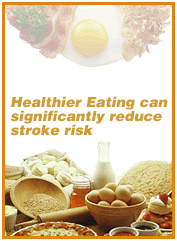
Adopting a balanced, lowfat diet reduces the chance that arteries will become clogged, a factor that often contributes to a “brain attack,” or stroke. In particular, minimizing your fat intake will help prevent clogs from forming in arteries surrounding the heart as well as those leading to the brain.
 |
A word on fat
A gram of fat contains more calories than a gram of carbohydrate or protein. Some types of fat in moderation may serve useful purposes, such as insulating internal organs or transporting vitamins. But, in reality, the human body needs very little fat. In fact, the entire amount of fat the human body requires on a daily basis is only a single teaspoon. However, most people take in almost four times this amount. Only about 10 percent of your calories should come from fat, but the average American male’s diet includes about 40 percent of calories from fat.
Here are some tips for creating a healthy diet:
- Eat more fruits, vegetables and grains.
- Reach for nonfat or lowfat dairy products.
- Substitute tomato sauces for heavy, cream sauces.
- Cut back on fats and sweets.
- Buy lean meat.
- Remove the skin from poultry.
- Avoid fried foods and fast foods.
- Cook soup and stew in advance. Cut off the congealed fat before serving.
- Use fat-free salad dressing and lowfat mayonnaise.
- Reduce your alcohol intake.
- Drink at least eight glasses of water each day.
- Eat smaller portions.
[top]
Exercise recommendations
Exercise is also important in keeping arteries clear as well as strengthening heart muscles, and it has been shown to increase HDL cholesterol levels. This type of cholesterol is the “good” cholesterol and helps keep LDL cholesterol, the “bad” cholesterol, in check.
Your body needs exercise to stay healthy. Regular exercise helps you maintain your optimal weight. Exercise can also reduce depression and lower your blood pressure.
Anaerobic exercise focuses on building muscle strength, while aerobic exercise gets your heart pumping. Both anaerobic and aerobic exercise must be part of an exercise program.
Running, swimming, biking, skiing and tennis are examples of aerobic activities. During aerobic exercise, the heart works hard to pump blood throughout the body, and the lungs work hard to take in more oxygen. The ideal exercise program is one in which your heart stays pumping for at least 20 minutes, three times a week.
Weight-bearing exercise involves lifting weights and builds muscle mass. These types of exercises have also been shown to build bone density, which helps prevent osteoporosis, a condition causing bones to become porous and brittle.
See a doctor before beginning an exercise program
Many people can get back into shape on their own. However, some will need to consult a physician first. The American Academy of Family Physicians recommends that the following people visit their doctor before undertaking an exercise program:
- Men over 40 years old
- Women over 50 years old
- People with heart disease, diabetes, high blood pressure, lung disease or arthritis
- Heavy smokers
- Those who are physically inactive or overweight
[top]
Preventing aneurysms
- Although not all aneurysms are hereditary, there is some evidence that people are more likely to develop an aneurysm if a family member has had one. Frequent screening tests are recommended if aneurysms have occurred in your family.
- Lifestyle changes to maintain healthy blood vessels can help prevent aneurysms, including not smoking, exercising regularly and eating a balanced, low-fat diet.
[top]
Preventing carpal tunnel syndrome
- Avoid repeated stress on the hands.
- Do hand and wrist exercises and stretches periodically.
- Use proper hand and wrist positioning and pay attention to ergonomics.
- Take breaks during work.
- Set your computer monitor at eye level, and keep elbows at a 70- to 90-degree angle and wrists in a neutral position.
- Wear splints at night.
- Use tools and equipment in your daily tasks that are designed to minimize the risk of wrist and hand injury.
- Use cold treatments (such as ice packs) to reduce inflammation in the hands
- Treat underlying medical conditions that contribute to the development of carpal tunnel syndrome, such as diabetes, thyroid disease and arthritis.
[top]
Preventing stroke
- Monitor blood pressure to keep it at a healthy level.
- Maintain a healthy weight through a balanced diet and exercise.
- Avoid smoking.
- Get screened for carotid stenosis.
[top]