

Peripheral Nerve
Facts | Symptoms | Causes | Treatment options | Prevention
Facts
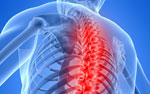
The peripheral nervous system is a network that transmits information from the brain and spinal cord (the central nervous system) to all areas of the body. These nerves send sensory information back to the brain and spinal cord as well, such as a message that you got a paper cut or a sunburn. Damage to the peripheral nervous system interferes with these important connections. More than 100 types of peripheral nerve disorders have been identified—each with its own distinct characteristics.
Symptoms
Each peripheral nerve has a very specific function within a certain part of the body, so many different symptoms can occur when nerves are damaged. These symptoms may advance quickly or slowly, disappear and reappear depending upon its type.
- Temporary numbness, tingling, and pricking sensations
- Sensitivity to touch
- Muscle weakness
- Burning pain (especially at night)
- Muscle wasting
- Paralysis
- Organ or gland dysfunction
- Digestive problems
- Abnormal blood pressure levels
- Abnormal sweating
- Abnormal sexual function
- Painful cramps
- Uncontrolled muscle twitching visible under the skin
- Muscle loss
- Bone degeneration
- Changes in the skin, hair, and nails
- Impaired ability to feel vibrations and touch
- General sense of numbness, especially in the hands and feet
- Loss of reflexes
- Inability to coordinate complex movements like walking or fastening buttons, or to maintain their balance when their eyes are shut
- Disrupted sleep
- Emotional instability
[top]
Causes
Peripheral nerve conditions can be either inherited or acquired. Some causes of acquired peripheral neuropathy include physical injury (trauma) to a nerve, tumors, exposure to toxins, autoimmune responses, nutritional deficiencies, alcoholism, and vascular and metabolic disorders.
Physical injury (trauma) is the most common cause of injury to a nerve. Injury or sudden trauma, such as from automobile accidents, falls and sports-related activities, can cause nerves to become partially or completely severed, crushed, compressed or stretched. Broken or dislocated bones can place a dangerous amount of pressure on nearby nerves, and slipped discs between vertebrae can compress nerve fibers where they emerge from the spinal cord.
[top]
Treatment
Peripheral nerve conditions that are inherited are untreatable at this time. In other cases, underlying conditions are treated first, followed by treatment of symptoms based on specific peripheral nerve conditions. This allows symptoms to be controlled and prevents additional nerve damage from occurring.
Mild pain may sometimes be alleviated by analgesics sold over the counter.
Mechanical aids such as braces and orthopedic shoes can help reduce pain and lessen the impact of physical disability.
Surgery may be recommended in some cases such as the repair of a slipped disc, the removal of benign or malignant tumors or the surgical release of ligaments or tendons.
[top]
Prevention
General recommendations for preventing peripheral nerve damage include maintaining optimal weight, avoiding exposure to toxins, exercising, eating a balanced diet, correcting vitamin deficiencies, quitting smoking, and limiting or avoiding alcohol consumption. These changes can help reduce the physical and emotional effects of peripheral neuropathy and cultivate the best environment for nerve regeneration.
[top]